

Choosing between electric and pneumatic actuated valves is a critical decision in industrial automation and fluid control systems. Both serve the primary function of regulating flow but differ fundamentally in their operation and optimal use cases. This guide provides a detailed, unbiased comparison covering their definitions, working principles, advantages, disadvantages, maintenance, and key selection criteria to help you make an informed choice.
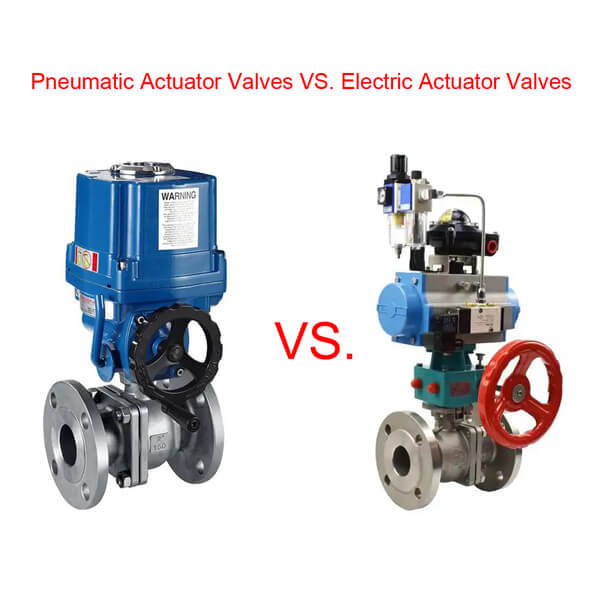
1. Definitions and Core Working Principles
What is an Electric Actuated Valve?
An Electric Actuated Valve uses an electric motor as its primary power source. It converts electrical energy into mechanical torque to operate the valve stem, enabling open, close, or modulating control. The system typically integrates a motor, gear reduction unit, valve body, and often a smart electronic controller for precise positioning.
What is a Pneumatic Actuated Valve?
A Pneumatic Actuated Valve relies on compressed air (typically 4-7 bar) to generate force. Compressed air is directed into a cylinder by a solenoid valve, pushing a piston that moves the valve stem. This system requires supporting equipment like an air compressor, filters, dryers, and regulators to ensure clean, stable air supply.
2. Key Differences: Electric Valve vs. Pneumatic Valve
The table below summarizes the fundamental distinctions between these two valve types.
| Aspect | Electric Actuated Valve | Pneumatic Actuated Valve |
|---|---|---|
| Power Source | Electricity (AC/DC motor) | Compressed Air |
| Control Precision | High. Excellent for precise flow or pressure modulation. | Moderate. Air compressibility can limit fine-tuning accuracy. |
| Response Speed | Slower (e.g., 15-30 seconds for full stroke). | Very Fast (e.g., <1 second for a DN50 valve). |
| Initial Cost | Higher (costly motor & control electronics). | Lower for the actuator; requires air supply investment. |
| Operating Cost | Electrical energy; generally efficient. | Energy to run compressor; potential for air leaks. |
| Lifespan (Cycles) | Lower for standard motors (~10k cycles). High-cycle brushless motors available. | Very High (can exceed 1 million cycles). Robust mechanics. |
| Environmental Safety | Requires special housing for hazardous (Ex) areas. | Intrinsically safe; no spark risk. Ideal for explosive atmospheres. |
| Weather/Water Resistance | Vulnerable to condensation, moisture ingress without proper IP rating. | Generally more resistant; mechanical design is less susceptible to humidity. |
| System Complexity | Integrated, mainly requires power cables & signal wires. | Requires air piping, filters, regulators, and dryers. |
3. Advantages and Disadvantages
Electric Valve: Pros and Cons
Advantages:
- High Precision Control: Perfect for applications requiring exact positioning and flow modulation.
- Excellent for Automation: Easily integrates with PLCs, DCS, and digital networks for centralized control.
- Clean & Compact Installation: Only needs electrical wiring, eliminating air supply infrastructure.
- Stable Performance: Unaffected by fluctuations in air pressure; offers consistent torque.
Disadvantages:
- Higher Initial Investment: More expensive unit cost and complex controls.
- Slower Response Time: Not suitable for rapid emergency shut-off applications.
- Complex Maintenance: Troubleshooting requires electrical expertise; sensitive to moisture and heat.
- Potential Overheat: Motor can overheat if jammed or operated too frequently.
Pneumatic Valve: Pros and Cons
Advantages:
- Fast Actuation & High Frequency: Best for quick on/off cycling or emergency shutdowns.
- Simple, Robust Design: Fewer electronic parts; easy to maintain and repair.
- Intrinsically Safe: No electrical components in the actuator, making it ideal for hazardous locations.
- Overload Tolerant: Pneumatic systems can stall without damage if the valve is blocked.
Disadvantages:
- Requires Air Preparation: Needs a continuous supply of clean, dry compressed air.
- Lower Control Precision: Less ideal for delicate throttling applications.
- Air Supply Dependency: Performance is directly impacted by air pressure and quality.
- Overall System Footprint: Air compressor and treatment units require space and maintenance.
4. Typical Applications and Use Cases
Where to Use Electric Valves?
- Precision processes: Chemical dosing, pharmaceutical manufacturing, food & beverage batching.
- Remote or distributed locations without existing air supply.
- Building Management Systems (BMS) for HVAC and water treatment.
- Systems requiring complex sequencing or tight integration with digital control architecture.
Where to Use Pneumatic Valves?
- High-speed automation: Packaging lines, material handling, robotic cells.
- Hazardous environments: Oil & gas refineries, chemical plants, mining.
- Emergency shutdown (ESD) systems requiring fail-safe, rapid closure.
- Plants with a centralized, reliable compressed air system already in place.
5. Installation and Maintenance Considerations
For Electric Valves:
Installation: Ensure correct voltage supply and proper grounding. Use conduit seals for outdoor/wet locations to prevent moisture ingress. Provide adequate ventilation if installed in enclosures.
Maintenance: Regularly check motor insulation resistance. Lubricate gear sets as per manufacturer guidelines. For infrequent use, periodic cycling is recommended to ward off condensation damage to internal electronics.
For Pneumatic Valves:
Installation: Always install an FRL unit (Filter, Regulator, Lubricator) upstream. Use proper pipe sizing and ensure all connections are airtight. Drain air receivers regularly.
Maintenance: Monitor air quality; replace filter elements periodically. Inspect cylinder seals and O-rings for wear. Check solenoid valves and positioners for proper operation and clean air passages.
6. How to Choose: Electric or Pneumatic Valves?
Ask these key questions during your selection process:
- What is the primary requirement? Precision control (Choose Electric) vs. Speed & Safety (Choose Pneumatic).
- What infrastructure is available? Abundant electrical power vs. existing plant air.
- What is the operating environment? Hazardous/explosive areas strongly favor pneumatics.
- What is the duty cycle? For millions of cycles, pneumatic often wins on durability.
- What is the total cost of ownership (TCO)? Consider upfront costs, energy consumption, and long-term maintenance.
Conclusion
There is no universal “best” choice between electric and pneumatic actuated valves. The decision hinges on your specific application’s demands for precision, speed, safety, and lifecycle cost. Electric valves excel in automated, precise control scenarios with clean power sources. Pneumatic valves dominate in high-speed, high-cycle, and intrinsically safe environments with reliable air supply. By carefully weighing the factors outlined in this guide—power source, control needs, operating environment, and cost—you can select the optimal valve technology to ensure efficiency, reliability, and safety in your fluid control system.
Post time: Dec-31-2025