

Not all China ball valve factories meet API 6D standards. Learn the 7 essential verification steps before placing your bulk order—including material traceability, pressure testing, and red flags to avoid.
Table of Contents
- 1. Introduction: The $50,000 Question
- 2. 7 Red Flags That Separate Real Factories from Traders
- 3. Quality Standards: What API 6D and API 598 Actually Mean for Your Order
- 4. Product Range: What a Real China Ball Valve Manufacturer Should Offer
- 5. The 4-Step Factory Verification Checklist
- 6. Case: How We Saved a UAE EPC Contractor $47,000 on a 200-Valve Order
- 7. Cost Optimization: Where to Save and Where Not to Cut Corners
- 8. Frequently Asked Questions
- 9. Request a Direct Factory Quotation
1. Introduction: The $50,000 Question
You’ve found a China ball valve supplier on Alibaba. The price looks competitive. The product photos look polished. The sales rep responds to your emails within hours.
But here’s the question that keeps procurement managers awake at night: Will these valves actually pass the third-party inspection when they arrive at the port?
I’ve seen it happen more times than I’d like to count. A buyer saves 15% on the unit price by going with the cheapest China ball valve factory they could find. Then they pay 30% more in rework costs, delayed commissioning penalties, and rush-shipping replacement bodies. The “savings” evaporate. The project timeline gets blown. And the procurement manager has some very uncomfortable calls to make.
The difference between a reliable China ball valve manufacturer and a trading intermediary isn’t always obvious from a website or a price sheet. But there are specific, concrete things you can check before you wire that deposit—things that separate the real factories from the rest.
This guide walks through exactly what those checks are. No fluff. No generic advice. Just the verification steps that have saved our clients from costly mistakes—and how you can apply them to your next bulk order.
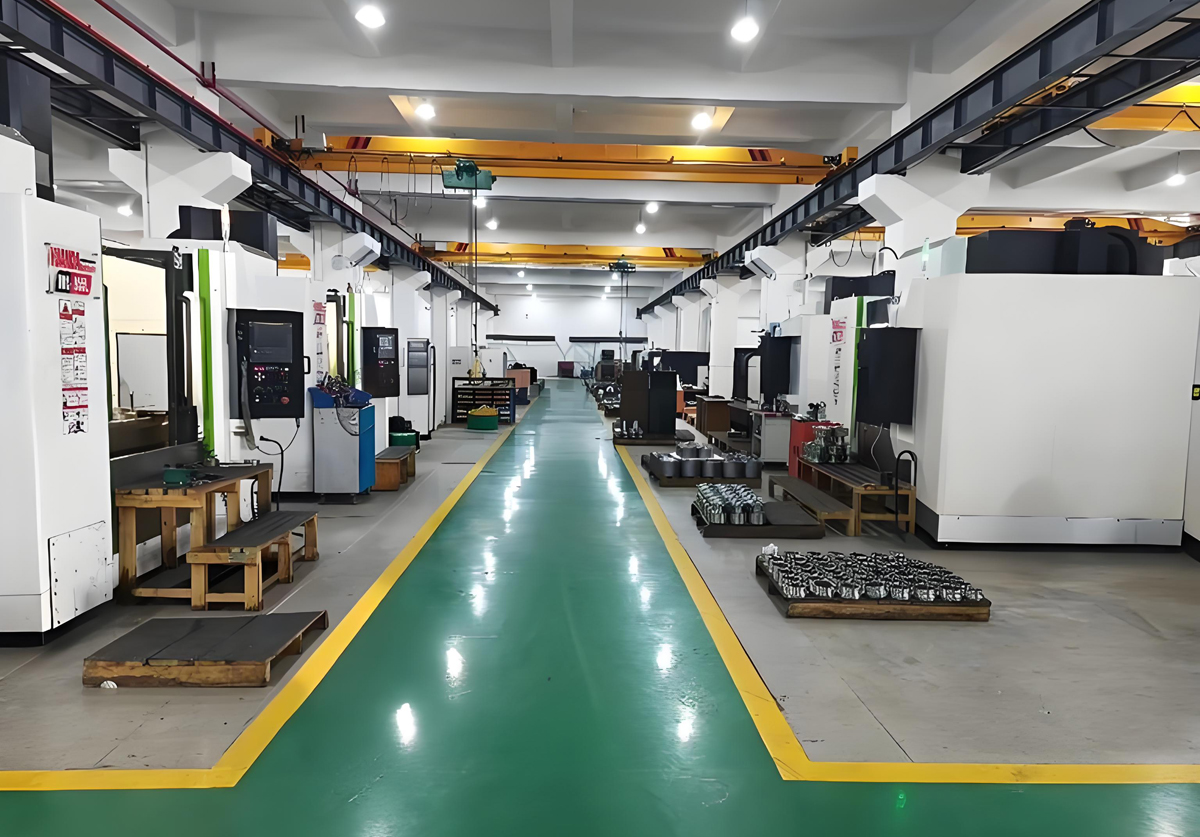
2. 7 Red Flags That Separate Real China Ball Valve Factories from Traders
Here’s the thing about sourcing from China—there are thousands of companies claiming to be China ball valve manufacturers. But a significant portion of them are trading companies operating out of office buildings with no production line of their own. Before you go any further, run through this checklist:
3. Quality Standards: What API 6D and API 598 Actually Mean for Your Order
Every China ball valve supplier will tell you they comply with international standards. But here’s what those standards actually require—and why they matter for your order.
API 6D is the primary specification for pipeline valves used in the petroleum and natural gas industries. It covers design, manufacturing, materials, welding, quality control, assembly, testing, marking, and documentation. The latest edition (25th edition, 2021 with 2025 addenda) specifically strengthens requirements for low-emission valves.
API 6D Compliance Requirements:
- Design validation per ASME B16.34 pressure-temperature ratings
- Wall thickness calculations that meet or exceed minimum requirements
- Fire-safe construction (API 607 or ISO 10497 certified)
- Blowout-proof stem design
- Anti-static devices
API 598 governs valve inspection and testing. It defines the factory testing requirements—including test types, test pressures, hold times, and acceptance criteria for shell integrity and seat tightness.
The critical part: API 598 requires 100% hydrostatic body testing and 100% seat leakage testing on every valve before shipment. Not a sample. Not a random batch. Every single valve.
A valve that passes API 598 testing by the skin of its teeth might still fail in the field. But a valve that fails API 598 by just 5% on seat leakage? That can cause a $50,000 production halt in a mid-sized refinery within the first week of operation.
“That’s why we run every valve through our in-house testing lab—and we encourage third-party inspectors to witness the tests. Our QC lead, Mr. Chen, has been doing this for 18 years. He’s personally overseen more than 1,400 hydrostatic test batches since 2019. He can tell you within seconds whether a valve is going to pass or fail just by the sound it makes during pressure buildup.”
4. Product Range: What a Real China Ball Valve Manufacturer Should Offer
A legitimate China ball valve factory should have a product portfolio that covers the standard configurations buyers actually need—not just one or two models they happen to have in stock.
At NSW Valve, our production lines cover three main categories:
Floating Ball Valves
These are the workhorses of general industrial applications—water treatment, municipal plumbing, low-pressure gas and liquid distribution. The ball is held in place by the seats (PTFE, RPTFE, or PPL), and the design delivers bubble-tight shut-off at a cost-effective price point. For water and HVAC applications below 230°C, PPL seats achieve the same zero-leakage sealing as metal seats but at a fraction of the cost.
Trunnion Mounted Ball Valves
These are for the heavy stuff—oil and gas pipelines, high-pressure water mains, power generation networks. The trunnion design anchors the ball at the top and bottom, which minimizes operating torque and protects seat longevity under high differential pressure. API 6D sets the acceptance criteria for allowable leakage on these valves.
Three-Way & Multi-Port
For applications that require flow diversion or mixing—chemical processing, pharmaceutical manufacturing, specialized industrial loops. Available in flanged or threaded end connections, with 2-seat or 4-seat configurations.
Beyond these standard categories, a real manufacturer should also offer:
- Full OEM/ODM customization (custom nameplates, body colors, private branding)
- Specialized coatings and paint systems for corrosive environments
- Extended stem options for buried or insulated applications
- High-temperature metal-seated designs up to 550°C with Stellite hard-facing
5. The 4-Step Factory Verification Checklist
If you’re serious about finding a reliable China ball valve manufacturer, here’s a 4-step verification process you can apply to any potential supplier:
Verify Manufacturing Credentials
Ask for ISO 9001:2015, CE/PED, and API certificates. But don’t just look at the paper—confirm that the company name on the certificate matches the factory name on the quotation. Some traders display certifications from their parent company or a partner factory, which doesn’t mean they are certified.
Inspect Material Test Reports (MTRs)
Request EN 10204 3.1 certificates from recent production runs. Check the chemical composition—proper Ni/Cr ratios in CF8M/SS316, correct carbon content, verified mechanical properties. If the MTRs look like generic templates rather than batch-specific reports, that’s a warning sign.
Evaluate In-House Testing Equipment
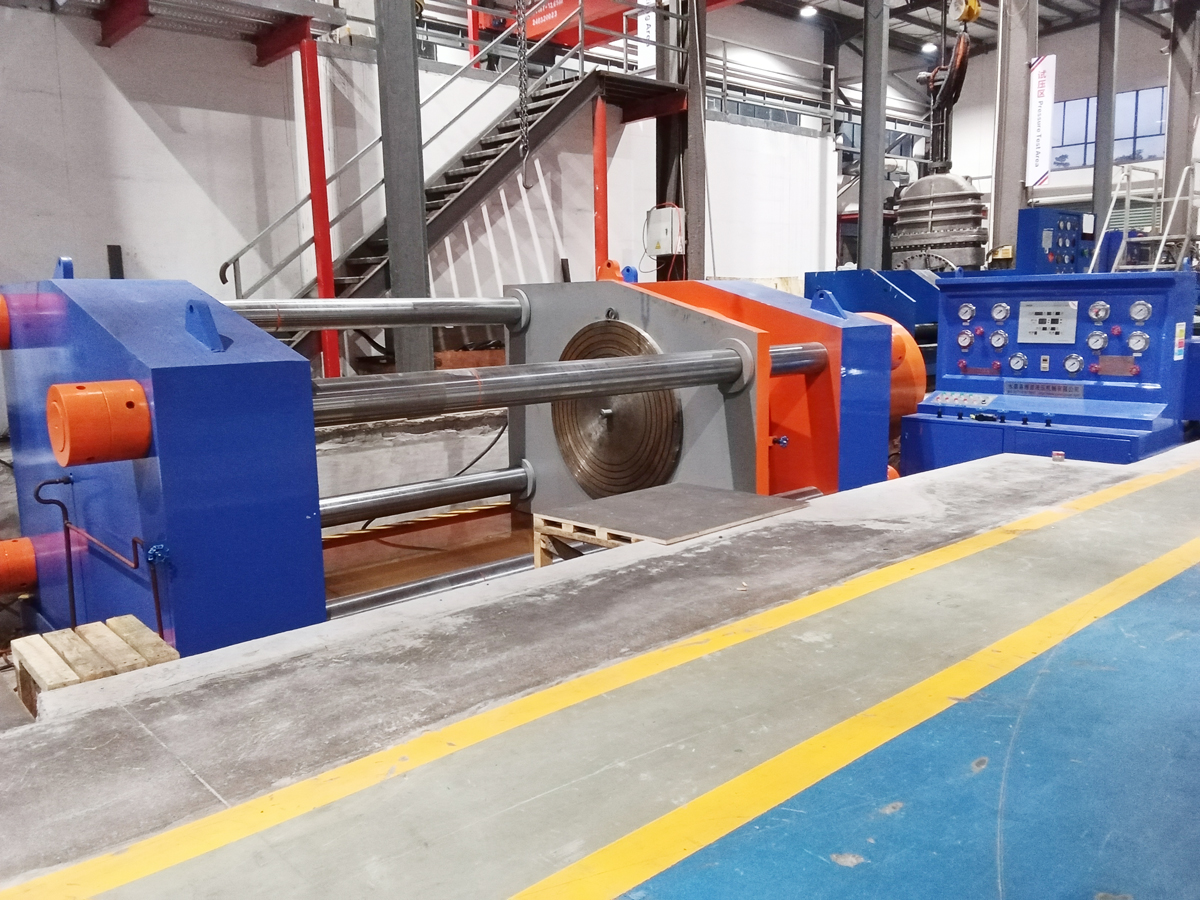
Ask for photos or a video walkthrough of their testing lab. A real factory will have:
- Automated pressure-testing benches (hydrostatic and pneumatic)
- Wall-thickness gauges calibrated to international standards
- PMI (Positive Material Identification) spectrographs for material verification
- Hardness testers (Rockwell, Brinell, or equivalent)
Review Packaging and Export Experience
Confirm that the factory uses heavy-duty seaworthy plywood crates with individual plastic cap protection on all flange faces to prevent corrosion during ocean transit. Ask about their export experience—which countries they’ve shipped to, whether they’ve handled third-party inspections (SGS, BV, TÜV), and what their typical shipping documentation package includes.
How We Saved a UAE EPC Contractor $47,000 on a 200-Valve Order
A Middle Eastern EPC contractor reached out to us in Q3 2025 with a problem. They had placed a 200-valve order with another China ball valve supplier—68 trunnion-mounted ball valves, Class 600, for a natural gas processing facility.
The valves arrived at the port. The third-party inspection failed. Hydrostatic testing revealed shell leaks on 17 valves. Seat leakage exceeded API 598 allowable limits on 23 more. Forty valves—40% of the order—failed inspection.
The project was already three weeks behind schedule. The client had two options: pay a massive rush-fee to their original supplier for replacements (who quoted an additional $62,000 for expedited manufacturing and air freight), or find another manufacturer who could deliver faster.
They came to us.
We had compatible body castings in our inventory. We completed API 598 testing on all 68 replacement bodies in 11 days—well under our standard 20-day lead time. We arranged for Bureau Veritas to inspect at our facility, not at the port, so the client could see the testing results before the valves even left China.
Total cost for the replacement order: $15,000. Total savings versus the original supplier’s rush-fee quote: $47,000.
The project resumed on time. The client has since placed three more orders with us.
7. Cost Optimization: Where to Save and Where Not to Cut Corners
Getting the best price from a China ball valve factory isn’t about squeezing every last dollar out of the unit cost—it’s about optimizing the total cost of ownership.
Where you CAN save:
- Consolidate order volumes: Full-container loads (FCL) lower unit freight costs and unlock wholesale volume discounts.
- Standardize face-to-face dimensions: Specifying standard ASME B16.10 or DIN 3202 dimensions avoids custom tooling fees.
- Match seat materials to conditions: For water and HVAC applications below 230°C, PPL seats deliver identical zero-leakage sealing to metal seats at a much lower cost.
- Order during off-peak seasons: Chinese factories typically have shorter lead times and more negotiating flexibility between Chinese New Year and mid-year.
Where you should NOT cut corners:
- Material grade: Substituting A105 for LF2 or CF8 for CF8M might save you 5-8% upfront, but it can cost you 10x that in premature failure and replacement.
- Testing and inspection: Skipping third-party inspection to save a few thousand dollars is a gamble that rarely pays off. The cost of a failed inspection at the port is far higher than at the factory.
- Packaging: Cheap packaging leads to damaged flange faces, corroded surfaces, and rejected shipments. Seaworthy plywood crates with proper protection are non-negotiable for ocean freight.
8. Frequently Asked Questions
Q1 How do I know if a China ball valve supplier is a real manufacturer or just a trading company?
Ask for a live video walkthrough of their production facility. Request EN 10204 3.1 material test reports from recent production runs. Verify that their API or ISO certificates match their company name and are currently valid. If they can’t produce these three things, they’re likely a trader.
Q2 What’s the typical lead time for a bulk order from a China ball valve factory?
Standard carbon steel (WCB) and stainless steel (CF8/CF8M) ball valves in sizes 1/2″ to 8″ typically ship within 20 to 30 days. For urgent project needs, some manufacturers maintain stock of standard valve bodies for rapid assembly and testing.
Q3 What’s the difference between API 6D and API 598?
API 6D governs the design and manufacturing requirements for pipeline valves—wall thickness, pressure-temperature ratings, materials, and documentation. API 598 governs the inspection and testing requirements—how valves are tested, what pressures are applied, how long they hold, and what leakage is acceptable. A valve can be API 6D-compliant in design but still fail API 598 testing if manufacturing quality is poor.
Q4 Can your factory handle custom OEM requirements and third-party inspections?
Yes. We fully support OEM/ODM services, including custom nameplates, body color options, and private branding. We also welcome third-party inspection agencies such as SGS, Bureau Veritas (BV), or TÜV prior to shipment.
Q5 What material test reports do you provide with each shipment?
Every shipment includes EN 10204 3.1 material test reports with batch-specific chemical analysis and mechanical properties. We also provide API 598 hydrostatic test certificates for every valve, with individual test records available upon request.
Request a Direct Factory Quotation
Are you preparing a tender or managing an upcoming industrial piping project? Partner with a verified China ball valve supplier that values quality, competitive pricing, and long-term partnership.
Click Here to Request Your Free Wholesale China Ball Valve Price List
Post time: Jul-25-2026