
Products

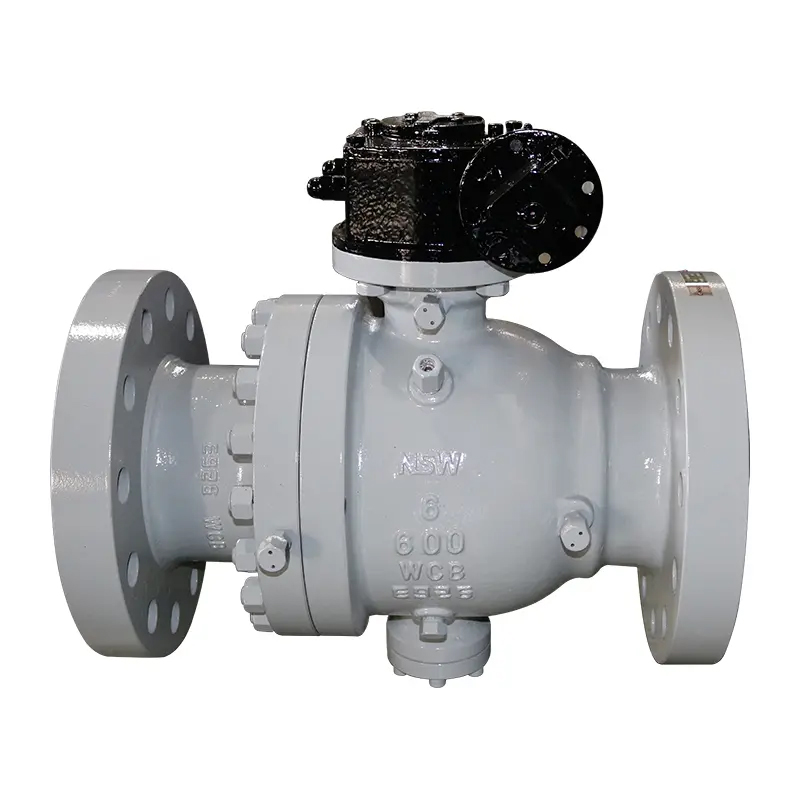
High Temperature Ball Valve – Metal-Seated & PPL Options
Designed for Severe Thermal Service, Superheated Steam & Abrasive Slurries | Temp Range: -29°C to 650°C (-20°F to 1202°F)
• PPL Seated: Cost-effective tight shut-off up to 300°C (572°F) for hot oil, steam & clean media.
• Metal Seated (HVOF): Extreme service performance up to 650°C (1202°F) for abrasive ash, catalytic cracking & power generation.
• Class V / Class VI Leakage: ANSI/FCI 70-2 certified zero-leakage capabilities.
• Live-Loaded Packing: Belleville spring-energized stem packing prevents fugitive emissions under thermal cycling.
• Size: DN15 – DN600 (1/2″ – 24″)
• Rating: Class 150 – 2500 / PN16 – PN420
• Fire-Safe: API 607 / ISO 10497
• Low-E: API 641 / ISO 15848-1
1. Selecting the Right Seating Option: PPL vs. Metal-Seated
Choosing between PPL (Polyparaphenylene) and Metal-Seated trims depends primarily on working temperature, media particulate levels, and required sealing class.
| Selection Feature | PPL Seated (High-Temp Polymer) | Metal-Seated (Severe Service HVOF) |
| Max Operating Temp | Up to 300°C (572°F) continuous | Up to 650°C (1202°F) continuous (Higher on request) |
| Sealing Capability | ANSI/FCI 70-2 Class VI (Bubble-Tight) | ANSI/FCI 70-2 Class V or Class VI (Precision Scraped) |
| Suitable Media | Clean steam, hot water, thermal oils, non-abrasive chemical fluids, high-temp gas. | Abrasive slurries, fly ash, catalyst particles, coking service, superheated steam, molten salt. |
| Hardfacing Technology | N/A (Solid PPL / Modified PTFE insert) | HVOF Spraying: Tungsten Carbide (TC), Chromium Carbide (CC), or Stellite #6 PTA. |
| Operating Torque | Lower seating friction; smaller actuator sizing. | Requires higher seating force; spring-energized metal seats. |
| Cost Benefit Ratio | Highly economical for mid-to-high temperature non-abrasive pipelines. | Maximum durability and zero thermal degradation in harsh environments. |
2. Engineering Features for Extreme Thermal Environments
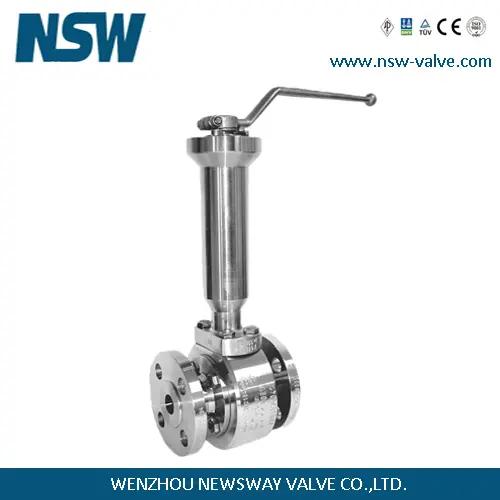
• Extended Bonnet Radiating DesignMove the stem packing chamber away from high-temperature body zones. Built-in thermal cooling fins protect stem packing materials (flexible graphite/V-ring) and manual/automated actuators from radiant pipeline heat, ensuring long service life.
• Live-Loaded Belleville Packing SetsThermal expansion and contraction can cause packing relaxation. Our Belleville disc spring stacks maintain constant radial gland pressure on the packing set, eliminating thermal leaks and complying with API 641 / ISO 15848-1 low-emission standards.
• Thermal Expansion Relief & Self-CleaningMetal seats feature heavy-duty spring energizers that absorb fluid-induced thermal expansion without ball binding. The acute-edged scraper design wipes particulate buildup off the ball surface during quarter-turn rotation.
• HVOF Advanced Hardfacing CoatingsHigh-Velocity Oxygen-Fuel (HVOF) technology applies Tungsten Carbide or Chrome Carbide to the ball and seat rings with bond strengths exceeding 10,000 PSI, achieving micro-hardness up to HRC 70 for extreme abrasion resistance.
3. Technical Specifications & Material Selection
• Design Standards: API 6D, API 608, ASME B16.34, ISO 17292, BS 5351
• Size Range: DN15 to DN600 (1/2″ to 24″) — Floating & Trunnion Mounted Options
• Pressure Classes: ASME Class 150, 300, 600, 900, 1500, 2500 / PN16 to PN420
Body Materials: Carbon Steel (A216 WCB/WCC), High-Temp Alloy (A217 WC6, WC9, C5), Stainless Steel (A351 CF8M, CF3M), Duplex/Super Duplex, Inconel, Hastelloy
• Trim Materials: 316SS, 316L, 17-4PH, Inconel 718, Monel + Hardfacing (Stellite, Tungsten Carbide, Chrome Carbide)
• Seat Inserts:PPL Option: Polyparaphenylene (Up to 300°C) | Metal Option: Stellite #6 / TC / CC HVOF Hard-faced Metal Seat (Up to 650°C)
• End Connections: RF, RTJ Flanged (ASME B16.5), Butt-Weld BW (ASME B16.25), Socket Weld SW, NPT Threaded
• Testing & Certifications: API 598 (Valve Inspection), API 607 / ISO 10497 (Fire Safe Test), API 641 / ISO 15848-1 (Fugitive Emissions), SIL 3 Capable, CE/PED
• Actuation Options: Bare Shaft, Manual Lever, Worm Gearbox, Pneumatic Rack & Pinion / Scot Yoke, Electric Actuator, Hydraulic Actuator
4. Target Applications & Industry Use Cases
Refining & Petrochemical
• Fluid Catalytic Cracking (FCC) Units
• Delayed Coking & Visbreaking
• Hydroprocessing & Reformer Lines
• High-Temp Thermal Oil Heat Exchangers
Power Generation
• Superheated & Reheated Steam Lines
• Boiler Blowdown & Drain Valves
• Concentrated Solar Power (Molten Salt)
• Fly Ash & Bottom Ash Transport
Chemical & Mining
• Polysilicon High-Temp Fluid Lines
• Autoclave Slurry Extraction
• High-Temperature Molten Sulfur
• Asphalt & Coal Tar Processing
5. Frequently Asked Questions (Engineering FAQ)
Q1: What is the maximum operating temperature for PPL seated ball valves vs. Metal seated ball valves?
PPL (Polyparaphenylene) seats operate reliably up to 280°C–300°C (536°F–572°F) for clean liquids and steam. Metal-seated ball valves with HVOF hardfacing (Tungsten Carbide, Chrome Carbide, or Stellite) are engineered for extreme services up to 550°C–650°C (1022°F–1202°F) and abrasive media.
Q2: Why is an extended bonnet required for high-temperature ball valves?
An extended bonnet moves the stem packing box away from the hot pipeline body, dissipating radiant heat. This keeps stem seals (such as flexible graphite) within their safe operating temperature range, prevents thermal degradation, and protects electric or pneumatic actuators from overheating.
Q3: How do you prevent ball locking/galling at elevated thermal temperatures?
Thermal expansion is managed through precision differential material selection (matching thermal expansion coefficients of body, ball, and stem) and incorporating live-loaded spring energizers behind the seat rings. These springs compress to absorb high thermal expansion without increasing operating torque or causing mechanical binding.
© 2026 YourBrand Flow Control Inc. All Rights Reserved. API, ISO, and ASME certifications independently verified.